

Technological advancements have led to significant improvements in the food packaging industry. While people rarely pay attention to leak detection, this food-packaging process is likely to have some effect on the lives of most of us. Recent innovations have made it easier for food packaging plants and cafeterias to protect their stock effectively while minimizing storage costs. Advanced leak detectors have made it less likely for consumers to get contaminated food from supermarkets and grocery stores. Since many of us don’t understand the food packaging process or how it works, here’s how modern-day leak detectors help ensure our safety:
1. In-depth inspection
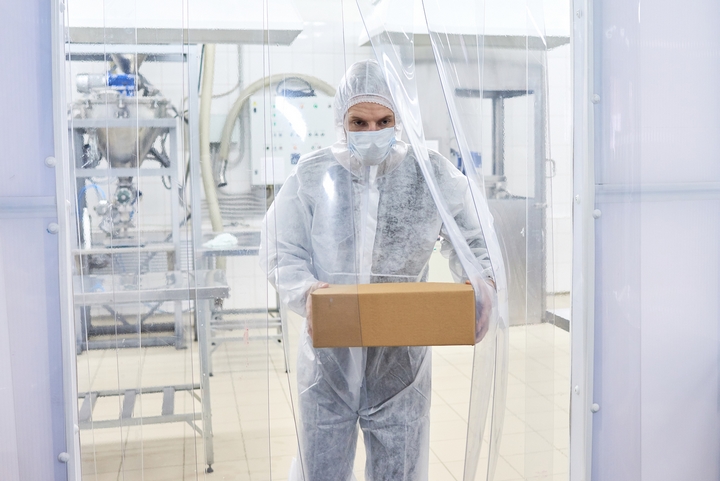
Regulators will keep any foodstuff that has not undergone a thorough process of inspection from reaching the display shelves of large stores. Leak detection is a major part of this operation and is often executed during the packaging process. Effective inspections can only be performed with the help of high-quality leak detectors. Manufacturers, therefore, need to use reliable and accurate leak detectors that can identify potential leaks in a multitude of bags consistently.
2. Identifying potential problems

In addition to pinpointing the location of a leak, modern-day leak detectors can actually identify the cause of the leak. For industrialists, knowing whether the leak was a result of a production or processing task is important. Even though food packaging manufacturers tend to choose the strongest of materials for their products, this practice does not completely prevent the occurrence of sealing issues. Even strong packages can tear open while being moved from one place to another. Even so, leak detection equipment allows manufacturers to identify whether it’s their turn-out or product packaging processes that are flawed.
3. Ensuring good quality

Packages must undergo a variety of tests before reaching the stores. Bubble testing and pressure checks are among the most effective food packaging tests. While pressure checks are used to test the strength and integrity of the packages, bubble testing helps to identify small holes that might serve as entranceways for bacteria. Without such tests, processing would cease and products would not make it to the market. It is easy for consumers to recognize fresh products. You only need to look at the product’s packaging and seal. Vacuum-sealed consumables that have started to decay will have an unpleasant appearance while air-filled packages often deflate over time.
4. Reliability
Many of the packaged foodstuffs on display in supermarkets come from large warehouses that feature a fast-paced environment. This is often because of time restraints and other packaging requirements. In order to keep up with the large conveyor belts that run without interruption, workers are expected to move fast. Reliable leak detectors that can handle high levels of stress are required for such settings. As such, most of the leak detection equipment used in warehouses will be in the form of large industrial mechanisms fitted with detection monitors. These types of units are capable of performing full tests on different kinds of packages in less than a minute.


